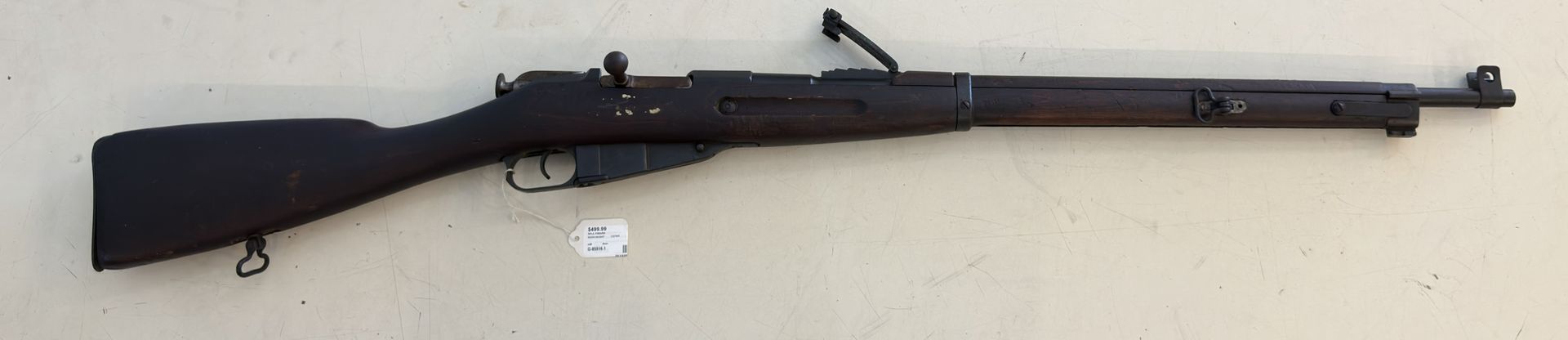
Promoting Responsible Firearm Ownership When Using Pawn Shops
Promoting responsible firearm ownership isn't just a duty; it's an expectation that extends to all aspects of handling, including when considering pawning firearms. In a world where safety and responsibility go hand in hand, understanding how to manage firearms with care is essential. This approach ensures not only the safety of owners but also that of those around them. By examining the processes involved in pawning firearms, we can see that responsibility doesn't stop when you part with your items temporarily. Rather, it includes taking actions that safeguard the ownership experience and contribute positively to the community around you.
When the time comes to pawn a firearm, it's important to think about both the legal and safety aspects involved. Kentucky, being a state with a rich tradition of hunting and firearms, presents a unique setting where responsible firearm handling is part of the cultural fabric. Whether it's about complying with regulations or ensuring your firearm is in top condition before a transaction, responsible measures are crucial. Let's explore how one can navigate these responsibilities with clarity and peace of mind.
Understanding Firearm Safety
Owning a firearm carries with it certain inherent responsibilities, and safety tops the list. Knowing how to store and handle firearms properly is critical for anyone considering pawning. Before even addressing the logistics of pawning, one should grasp the basic safety principles:
- Always treat a gun as if it's loaded: This is a foundational rule that minimizes the risk of accidental discharge. Approach every firearm with caution, whether it's loaded or not.
- Keep muzzle pointed in a safe direction: Always ensure the gun is aimed in a direction that would avoid harm if accidentally fired.
- Finger off the trigger until ready to shoot: This rule prevents unintentional firing. Make it a habit to keep your finger away from the trigger guard until you are sure of your target.
Having these safety habits ingrained ensures that firearms are handled with respect and caution. Additionally, understanding the importance of safe storage is vital. Firearms should be kept in a secured safe or locked cabinet, away from children and unauthorized users. Consider using gun locks for added security. This practice is part of responsible ownership whether a pawn is considered or not, as it ensures that the gun is out of reach for those who may not handle it responsibly.
Taking the time to refresh oneself on these key safety principles can be a valuable way to prepare for the next steps, including potential pawning. It's about extending responsibility beyond ownership, ensuring that each firearm transaction or handling experience reflects a commitment to safety. Such dedication to safe practice doesn't just protect individuals; it strengthens trust within the community and sets a positive example for others.
Legal Considerations When Pawning Firearms
When it comes to pawning firearms, understanding the legal landscape is crucial. Federal and state laws cover various aspects of firearm transactions, and knowing these can make the process smoother and safer. In Kentucky, the laws governing the pawning of firearms require careful attention to detail.
First, let's touch on federal laws. All firearm transactions, including pawns, must adhere to federal regulations. This means pawn shops must have a Federal Firearms License (FFL) to handle such transactions. They are also required to conduct background checks on individuals redeeming firearms.
At the state level, Kentucky has its own set of rules. Residents must provide valid identification to prove residency. There are also specific forms that need to be filled out to ensure the firearm is legally pawned. These safeguards might seem like extra steps, but they are there to protect both the pawn shop and the owner.
Documentation plays a key role in the process. Make sure you have all necessary paperwork, including proof of ownership. These documents confirm that you are the rightful owner and help avoid any legal hiccups that might arise. This approach ensures a responsible exchange that respects the gravity of firearm ownership.
How to Prepare Your Firearm for Pawning
Preparing your firearm for pawn requires some thoughtful steps to ensure it's in top condition. Just like selling a car, presentation matters here too. Clean your firearm thoroughly. It shows you care for your items and can potentially increase the value.
- Inspect for damage: Check for any wear and tear, and address minor issues if possible.
- Prepare documentation: Gather all necessary paperwork, such as proof of purchase or certificates.
- Choose secure packaging: Use protective casing to prevent any damage during the transaction.
This process helps set a professional tone and signals that you take firearm ownership seriously. Taking time to prepare demonstrates respect for the item and ensures that both parties have a smooth transaction.
Choosing a Reputable Pawn Shop
Finding the right pawn shop is an important part of the pawning process. You’ll want to work with a place that knows the ins and outs of firearm handling and can ensure a secure transaction.
- Check licensing: Make sure the shop has a valid FFL. It's a key indicator they comply with federal and state regulations.
- Read reviews: Look for feedback from others who have pawned firearms. Positive experiences can guide you to trustworthy places.
- Ask questions: Don't hesitate to inquire about their process, security measures, and any concerns you may have.
Selecting a reputable shop goes a long way toward ensuring a positive experience. A legitimate place will have clear policies and be willing to share info freely, reinforcing confidence in the process.
Ensuring Responsible Ownership Post-Pawn
Once you’ve completed the transaction and are ready to reclaim your firearm, maintaining responsible ownership is just as important. Upon retrieval, inspect the firearm to ensure it remains in good condition. Regular checks and safe storage practices should continue to be a priority.
Implementing sound storage solutions not only keeps your firearm safe but also ensures it is kept away from unauthorized access. Stay updated on state and local laws as they can change. Adapting to these changes is part of fulfilling your role as a responsible owner.
Owning a firearm responsibly encapsulates more than just the period of active use. It requires constant attention and care throughout pawning, reclaiming, and long-term ownership. Through responsible actions, owners contribute to their own safety and that of their community, setting a high standard for others to follow.
If you're ready to ensure a responsible and safe firearm transaction, look no further than River City Pawn. Our commitment to security and customer care makes us one of the top choices among
Kentucky pawn shops. Whether you're pawning, redeeming, or simply seeking advice, we're here to make the experience seamless and stress-free. Reach out to us today and let us help you with all your pawning needs.